

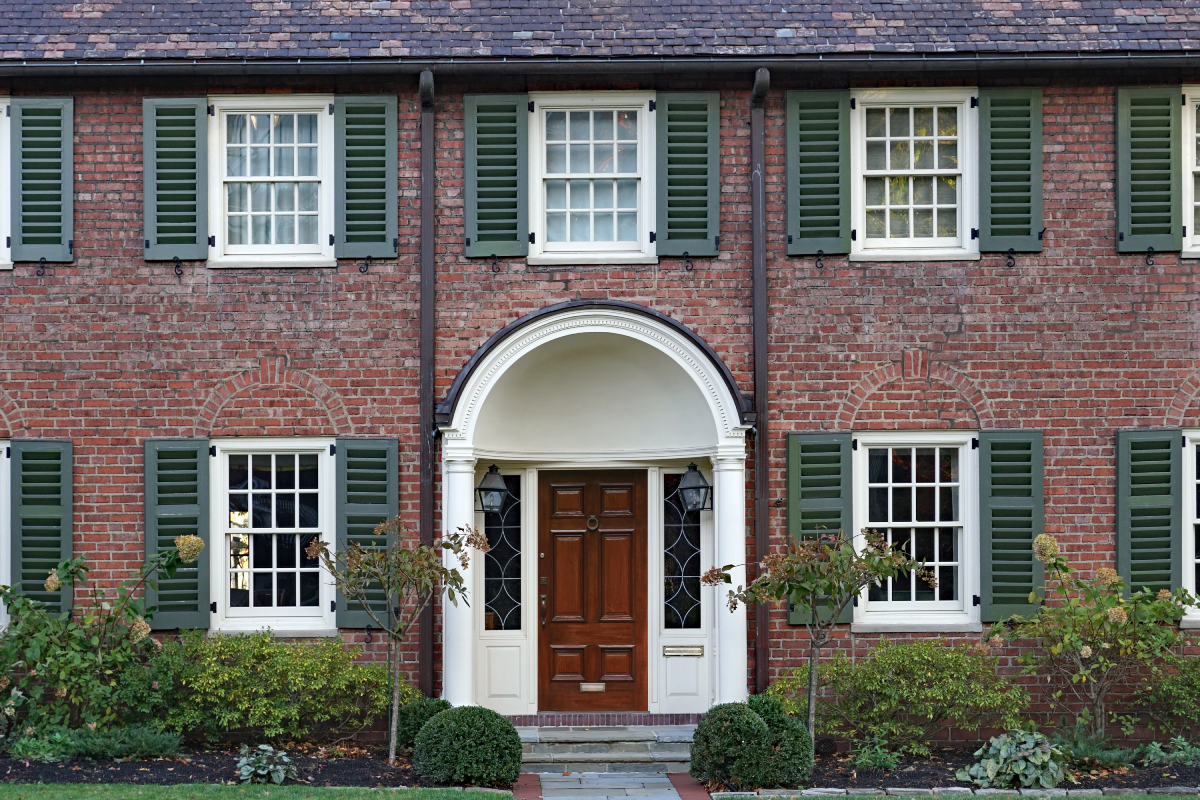
Drive through Charleston’s historic neighborhoods, and you’ll notice functional, hinged shutters flanking nearly every window. Those are colonial shutters, and they’ve been protecting Lowcountry homes since pre-air-conditioner days.
Colonial shutters are side-hinged exterior shutters that close over windows for storm protection, sun control, or privacy. Modern versions combine their classic Southern look with engineering that handles everything coastal South Carolina throws at them: salt spray, humidity spikes, tropical storms, and the occasional hurricane.
Seaside Window Treatment installs both storm-rated and decorative colonial shutters throughout Charleston and Beaufort. Here’s what actually makes these shutters different from other home exterior options and which homes benefit most.
How Colonial Shutters Function
Traditional colonial shutters swing on hinges mounted to the exterior walls of your home. Louvered panels (with angled slats) or raised panel designs close over windows, securing with locking hardware. When you’re not using them, shutters stay open against walls, framing windows symmetrically.
Storm-rated colonial shutters include reinforced frames and heavy-duty anchoring systems. Decorative versions use lighter materials and simpler hardware, focusing on curb appeal rather than structural protection.
Materials That Handle Coastal Weather
Exterior shutters in coastal South Carolina face brutal conditions: salt air, humidity, intense sun, and occasional hurricanes. And since they’re permanently installed outside, the materials they’re made from matter.
Powder-coated aluminum colonial shutters dominate the Lowcountry because they resist corrosion from salt spray that would rust steel or warp wood. The finish stays vibrant through years of sun exposure, and the louvered aluminum design provides storm protection.
Composite colonial shutters are made from engineered materials that won’t rot, split, or require painting. They handle moisture better than wood while maintaining traditional raised panel aesthetics that complement historic Charleston homes.
Wood colonial shutters deliver an authentic period-correct appearance for restoration projects, though they require regular maintenance in coastal climates. For a happy medium, many homeowners opt for composite or aluminum with wood-grain finishes to get the look without the constant upkeep.
Storm Protection vs. Decorative Options
One of the most important considerations when deciding on colonial shutters for your home is whether they offer storm protection. Do you need them to actually work during a hurricane, or are you more interested in their colonial-shutter look?
Exterior storm-rated shutters use thicker aluminum and reinforcements to handle 130+ mph winds and mount with bolts that go straight through your exterior walls into studs. Building inspectors check the installation, and insurance companies often give you discounts for having them.
Decorative colonial shutters look identical from the street, but use lighter materials and simpler hardware. They swing open and closed for sun control or privacy, but won’t protect windows during a hurricane.
The choice depends on where you live and how you plan to protect your home. Barrier island properties on Fripp Island or Seabrook typically require code-compliant storm shutters, but homes inland in Summerville or Goose Creek might prioritize appearance over the maximum wind rating.
Seaside Window Treatment walks through building codes, insurance requirements, and wind zone maps specific to your address so you can choose shutters that fit your home’s needs.
Color and Finish Customization
Home exterior color palettes determine shutter choices. Powder-coated aluminum comes in dozens of colors—classic Charleston green, Beaufort gray, crisp white, deep navy, or even custom matches to existing trim.
Lowcountry design traditions favor contrasting shutters: white homes with black or green shutters, gray siding with white shutters, brick exteriors with dark shutters. The contrast adds definition that monochromatic color schemes lack.
Finish options for colonial shutters include matte, satin, or gloss sheens. Coastal homeowners often choose matte finishes to avoid amplifying sun glare, while those with historic properties may prefer the look of traditional gloss paint.
Professional Installation For Optimal Performance
DIY colonial shutters exterior installations often fail, but Seaside Window Treatment’s expert installation includes locating wall studs, using through-bolts into structural members, and ensuring the shutters operate smoothly before leaving your property. We serve Charleston, Beaufort, McClellanville, Hilton Head Island, Mount Pleasant, Summerville, Bluffton, and throughout the Lowcountry with professional measuring and installation.
Contact us to discuss colonial shutters for your coastal South Carolina home. We’ll assess your windows, explain material options, and provide quotes for both decorative and storm-rated exterior shutters that match your home exterior style.